- Open:Weekdays: 8:30 am – 5:30 pm, Saturdays: 9:00 am-2:00 pm
- Email: info@youdrugmart.com
- Follow:
-

-


Is Paracetamol or Tylenol same as Acetaminophen? Yes! Paracetamol, Acetaminophen, and Tylenol are essentially the same medication. The main difference is the name. Paracetamol is a common name in most countries. On the other hand, acetaminophen is a common name in US, Canada and Japan. Therefore, the Paracetamol vs Tylenol is a common phenomenon during international travel. Let us understand the difference in details.
People commonly use paracetamol or Tylenol to relieve headaches, muscle aches, toothaches, menstrual cramps, and fever. Whether you buy a generic paracetamol/acetaminophen product or a box of Tylenol, the active ingredient works the same way when taken at the same dose.
One important thing to remember is that acetaminophen is present in many cold, flu, and prescription pain medications. Taking multiple products containing acetaminophen at the same time can increase the risk of liver damage, even if each product seems safe on its own.
If you’re unsure whether a medication contains paracetamol or acetaminophen, check the active ingredient section on the label or ask your pharmacist before combining medications.
Quick Answer

One of the most common medication questions we receive from patients is, “Is paracetamol the same as Tylenol?” This question often comes up when people travel internationally, purchase medications online, or read healthcare information from different countries.
The short answer is yes. They all contain the same active ingredient used to relieve pain and reduce fever. However, understanding the differences between generic names, brand names, and international terminology can help patients avoid confusion and use medications safely.
As pharmacists we have encountered patients who accidentally took multiple acetaminophen-containing products because they did not realize that paracetamol, acetaminophen, and Tylenol all refer to the same medication. Understanding these naming differences is an important step toward medication safety.
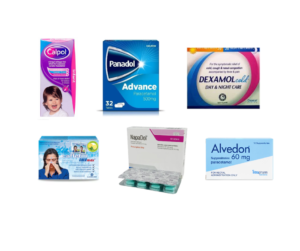
It is a medication commonly used to treat pain and fever. Patients and doctors worldwide have used and prescribed it for decades, making it one of the most purchased medications globally. Panadol, Dexamol, Ipramol, Caffetin, Napadol, Calpol, Alvedon, Panamax, Coldex, Crocin are common paracetamol brand names worldwide.
We use this drug for:
Unlike some other pain relievers, paracetamol does not significantly reduce inflammation. Its primary role is pain relief and fever reduction.
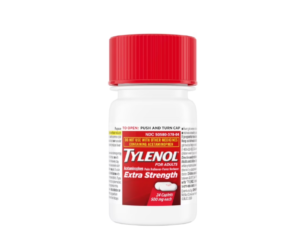
Tylenol is a North American brand-name medication that contains acetaminophen as its active ingredient.
The brand, developed in the United States, became one of the most recognized over-the-counter pain relievers worldwide. Today, Tylenol is available in multiple formulations, including tablets, capsules, liquid suspensions, and pediatric products.
When patients purchase Tylenol, they are purchasing a specific brand of acetaminophen rather than a different medication.
The naming difference is largely historical and geographical.
Most countries use the term “paracetamol,” which originates from the medication’s chemical name, para-acetylaminophenol (N-acetyl-para-aminophenol). In the United States, the term “acetaminophen” became the standard generic name.
Most countries that follow the International Nonproprietary Name (INN) system, uses the name paracetamol. These countries are United Kingdom, Ireland, All of Europe (e.g., France, Germany, Spain, Italy, Netherlands, Sweden, etc.), Australia, New Zealand, India, China, South Korea, Singapore, Malaysia, Indonesia, Pakistan, south Africa, Nigeria, Kenya, Middle Eastern Countries. In short paracetamol is the dominant global name.
On the other hand, the name acetaminophen comes from the US Adopted Name (USAN) system and is used in fewer places – United States, Canada and Japan.
These are the primary countries where “acetaminophen” is the official generic name. Some sources also note that a few Latin American countries use the term acetaminophen, but this varies by brand and regulatory preference.
Regardless of the name used, the medication itself is the same.
Yes. When comparing Paracetamol vs Tylenol, both are equally effective. They contain the same active ingredient and meet regulatory standards for safety, quality, and effectiveness.
When comparing equivalent doses, most patients should experience the same pain-relieving and fever-reducing effects regardless of whether they choose a generic product or a brand-name version.
We often reassure patients that generic medications are generally just as effective as their brand-name counterparts while often being significantly less expensive.
Although researchers do not fully understand every aspect of its mechanism, acts primarily within the central nervous system.
It reduces the production of certain chemical messengers involved in pain perception and temperature regulation. This helps lower fever and reduce discomfort.
Unlike non steroidal anti-inflammatory drugs (NSAIDs) such as ibuprofen or naproxen, paracetamol has minimal anti-inflammatory activity.
This depends on the patient’s medical history and circumstances.
Paracetamol is often preferred for patients who:
However, it can be harmful if taken in excessive amounts, particularly because of its potential effects on the liver.
Ibuprofen, on the other hand, may be more effective for conditions involving inflammation, such as certain sports injuries and arthritis.
Pharmacists view these medications as different tools rather than direct competitors. The best choice depends on the clinical situation.
One of the biggest safety concerns with paracetamol or acetaminophen is accidental overdose.
Many patients do not realize that acetaminophen is found in numerous products, including:
A patient may unknowingly take Tylenol for a headache and a cold medication containing acetaminophen at the same time, resulting in excessive daily intake.
This is why we encourage patients to carefully read medication labels and consult a healthcare professional if they are unsure.
Although these medications are generally safe when used appropriately, certain individuals should exercise caution.
These include people with:
Healthcare providers may recommend modified dosing or alternative medications depending on individual circumstances.
Both can treat pain and fever in children.
However, dosing should always be based on the child’s weight rather than age alone whenever possible. Parents should use the measuring device included with the medication and avoid estimating doses using household spoons.
When in doubt, consulting a pediatrician or pharmacist is always the safest approach.
In conclusion, paracetamol and Tylenol are essentially the same medication. Although the names differ, the medication’s purpose, effectiveness, and safety considerations remain the same. Understanding these naming differences can help patients avoid confusion, prevent accidental overdose, and make informed decisions about pain and fever management.
We often remind patients that the most important information on a medication package is the active ingredient. Whether the label says paracetamol, acetaminophen, Nacetylparaaminophenol (APAP), or Tylenol, recognizing that they contain the same drug is key to safe use.

The terminology often depends on the country and healthcare system. In the United States, acetaminophen is the standard medical and regulatory term, while many other countries use paracetamol. Both names refer to the same medication.
Yes. If the products contain the same dose of acetaminophen or paracetamol, they can generally be used interchangeably. Patients should still follow the recommended dosing instructions and avoid exceeding the maximum daily dose.
Brand-name products often cost more because of marketing, packaging, and brand recognition. Generic products contain the same active ingredient and are required to meet quality standards, making them a more affordable option for many patients.
Alcohol can increase the risk of liver injury when combined with excessive doses of this medication. Individuals who consume alcohol regularly should speak with their healthcare provider about safe dosing and whether alternative medications may be appropriate.
Yes. Some healthcare providers recommend this medication to help manage discomfort or fever after vaccination if symptoms occur. However, routine preventive use before vaccination is not always necessary, so patients should follow current medical guidance.
None is better than the other because Paracetamol and Tylenol contain the exact same active drug ingredient.

