- Open:Weekdays: 8:30 am – 5:30 pm, Saturdays: 9:00 am-2:00 pm
- Email: info@youdrugmart.com
- Follow:
-

-


Tick populations continue to rise across many parts of Canada, including Manitoba, which makes all information about Tick Prevention for Humans more important than ever. Blacklegged ticks (commonly called deer ticks) can carry Borrelia burgdorferi, the bacteria responsible for Lyme disease, while other tick species may transmit additional infections. Although not every tick carries disease, avoiding bites is far easier than treating the complications that may follow. Fortunately, there are several effective over-the-counter (OTC) tick repellents that are great human tick prevention products and can dramatically reduce your risk for Lyme disease. When you combine these products with protective clothing, regular tick checks, and prompt removal of ticks, you ensure maximum safety for yourself and your loves ones.
A common misconception physicians come across is that all insect repellents work equally well against ticks. They don’t. Instead, experts have extensively studied certain active ingredients and recommended them because they provide significantly better protection. Understanding which products to choose—and how to use them correctly—can make a substantial difference during hiking, camping, gardening, hunting, or even spending time in your own backyard.
Ticks are most active during the warmer months, particularly from spring through early fall. Warm temperatures, increased humidity, dense vegetation, and expanding wildlife habitats have all contributed to the growing tick population in many Canadian provinces.
Unlike mosquitoes, ticks do not fly or jump. Instead, they wait on tall grass, shrubs, or low vegetation and latch onto passing people or animals. Once attached, they may feed for several days, increasing the chance of transmitting disease if they are infected.
Preventing bites is therefore the most effective strategy for tick prevention for humans.
Health Canada and other public health organizations recommend several active ingredients that have been proven effective for tick prevention for humans.
DEET (N,N-diethyl-meta-toluamide) remains one of the most thoroughly researched repellents available for human tick prevention.
Rather than killing ticks, DEET interferes with their ability to locate human hosts.
Products containing 10% to 30% DEET generally provide several hours of protection against ticks.
Picaridin has become an increasingly popular human tick prevention product because it provides the same level of protection as DEET while feeling lighter on the skin.
Products containing 10% to 20% picaridin offer effective protection against ticks and mosquitoes.
Many families prefer picaridin because it is generally a well tolerated and cosmetically appealing human tick prevention product.
Oil of Lemon Eucalyptus (OLE), derived from the lemon eucalyptus tree, offers a plant-based option for tick prevention.
The active ingredient should not be confused with pure lemon eucalyptus essential oil, which has not demonstrated the same protective effect.
Protection may not last as long as higher-concentration DEET formulations, so more frequent reapplication may be necessary.
OLE products are generally not suitable for children under 3 years of age.
One of the most effective strategies for human tick prevention does not involve applying repellent to your skin at all. Permethrin is one such tick prevention for humans applied on clothes. In short, Permethrin is a synthetic insecticide that kills ticks as soon as they touch clothing or gear that has been treated with it.
Unlike DEET or picaridin, it is not applied directly to human skin.
Instead, it is sprayed onto:
After drying, permethrin bonds tightly to fabric and remains effective through multiple washes, depending on the product.
Never apply permethrin directly to your skin. It is intended only for clothing, footwear, and outdoor gear.
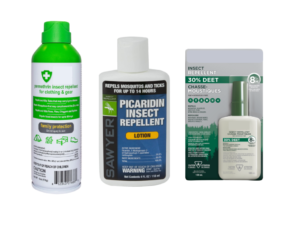
| Product | Typical Concentration | Where to Apply | Duration | Best For |
| DEET | 10–30% | Skin | Several hours | High-risk outdoor activities |
| Picaridin | 10–20% | Skin | Several hours | Daily outdoor use and sensitive users |
| Oil of Lemon Eucalyptus | As labeled | Skin | Moderate duration | Plant-based alternative |
| Permethrin | 0.5% | Clothing and gear only | Multiple washes | Maximum protection during hiking, hunting, camping, and forestry work |
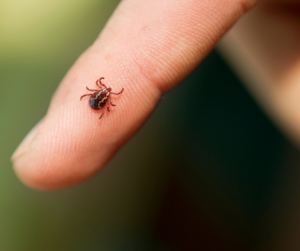
Repellents work best when combined with other preventive measures.
Healthcare providers commonly recommend:
These simple habits significantly improve tick prevention for humans and help detect attached ticks before disease transmission becomes more likely.
Finding a tick attached to your skin does not automatically mean you will develop Lyme disease.
The most important step is prompt, proper removal.
Tick prevention for humans is easy. Use fine-tipped tweezers to:
Avoid home remedies such as petroleum jelly, nail polish, alcohol, matches, or heat, as these methods may increase the chance of the tick regurgitating infectious material.
Public health authorities in Manitoba — including provincial health guidelines and the Winnipeg Regional Health Authority — actively advise people to save a removed tick in a clean, sealed container or plastic bag so they can show or submit it for identification if needed.
Most tick bites do not require antibiotics.
However, physicians may recommend preventive treatment in carefully selected situations.
Doctors may consider a single preventive dose of doxycycline for certain high-risk blacklegged tick bites when all recommended clinical criteria are met, such as:
A healthcare professional makes the decision based on clinical guidelines and your situation.
Seek medical attention if you develop:
Early Lyme disease is usually very treatable, but delaying diagnosis may allow the infection to spread to the joints, nervous system, or heart. Therefore tick prevention for humans involves close monitoring of symptoms for a few days.
Currently, there is no widely available Lyme disease vaccine for the general public in Canada. Researchers continue to study new vaccines, but for now, prevention remains the most effective strategy.
That makes personal protection, tick checks, and early recognition of symptoms essential components of human tick prevention.
One of the biggest myths we encounter is that people only get ticks while hiking deep in the woods. In reality, many patients are bitten in their own yards, local parks, golf courses, or while walking pets. Ticks thrive anywhere there is long grass, leaf litter, shrubs, or wildlife.
Another important point is that not every tick bite causes Lyme disease, but you should never ignore new symptoms after a bite. The earlier you diagnose Lyme disease, the easier it is to treat and the lower the risk of long-term complications.
Finally, no repellent provides 100% protection. Even if you use DEET, picaridin, or permethrin correctly, performing a thorough tick check after spending time outdoors remains one of the most effective ways to reduce your risk.
In conclusion, effective tick prevention for humans relies on combining several protective measures rather than depending on a single product. OTC repellents containing DEET, picaridin, or Oil of Lemon Eucalyptus offer reliable skin protection, while 0.5% permethrin-treated clothing provides an additional layer of defense for those spending a significant time outdoors.
If you discover an attached tick, remove it using fine-tipped tweezers, monitor for symptoms, and seek medical advice if you develop signs of Lyme disease or meet criteria for preventive antibiotic treatment. With the right combination of repellents, protective clothing, routine tick checks, and timely medical care, most tick bites—and the illnesses they may transmit—can be prevented or managed successfully.
Not always. While many mosquito repellents also repel ticks, effectiveness depends on the active ingredient. Products containing DEET, picaridin, or Oil of Lemon Eucalyptus are among the most effective human tick prevention products that also repel mosquitoes. Therefore, always check the label before purchasing.
Reapplication depends on the active ingredient, its concentration, how much you sweat, and whether you have been swimming. Always follow the manufacturer’s instructions, as protection decreases over time and after heavy perspiration or water exposure.
Yes. In fact, combining permethrin-treated clothing with a skin repellent such as DEET or picaridin provides one of the tick prevention for humans spending long time outdoors. Remember that permethrin is intended for clothing and gear only—it should never be applied directly to your skin.

