- Open:Weekdays: 8:30 am – 5:30 pm, Saturdays: 9:00 am-2:00 pm
- Email: info@youdrugmart.com
- Follow:
-

-


Permanent daylight saving time in Manitoba has become one of the province’s most discussed policy shifts, and the recent daylight savings bill has intensified public interest. Many Manitobans have long wanted to get rid of daylight savings. As a result, the permanent day light savings has sparked both optimism and caution. As daylight savings time becomes permanent, clinicians, pharmacists, and circadian‑rhythm researchers have raised important health considerations that deserve careful review.
Manitoba implemented daylight saving time in 1966. The province passed legislation to align local timekeeping with national and cross-border economic patterns. The government adopted DST because businesses, transportation networks, and agricultural sectors wanted predictable coordination with other Canadian provinces and the United States. Manitoba followed the emerging North American trend toward seasonal clock changes, and policymakers believed the shift would support commerce, travel, and energy efficiency.
At the time, farmers expressed concern because livestock do not adjust easily to schedule changes sudden. Healthcare professionals also noted early complaints about sleep disruption, morning fatigue, and difficulty adjusting during the first week after the spring transition. Even in the 1960s, Manitobans described the “spring forward” shift as disorienting, and newspapers recorded predictable debates about whether the province should keep or eliminate the practice.
Over time, public sentiment shifted. By the 1990s and 2000s, more Manitobans questioned the value of DST because the biannual clock change caused sleep loss, workplace fatigue, and scheduling confusion. Pharmacists increasingly reported medication‑timing errors during the transition weeks, and clinicians documented the same cardiovascular and trauma‑related risks that modern research now confirms. As these concerns grew, public support for ending the clock change strengthened, which eventually contributed to the province’s decision to introduce the daylight savings bill and explore permanent daylight saving time.

The Manitoba government introduced the daylight savings bill to eliminate the biannual clock change and adopt permanent daylight saving time year‑round. The bill aligns Manitoba with several U.S. states considering similar legislation, and it responds to long‑standing public frustration with seasonal time shifts.
The government emphasized three core motivations:
Therefore, permanent daylight saving time offers several evidence-based advantages for public health, behavioral well-being, and daily functioning. Although circadian scientists often prefer permanent Standard Time, Manitoba’s decision reflects a balance of clinical risks, social preferences, and economic considerations.

Several health, behavioral, and operational factors drove the decision to make daylight saving time permanent. Experts have noted that year-round CST in Saskatchewan protects residents from chronic sleep debt and desynchronization. Similarly, Yukon reports reduced acute seasonal trauma and improved physical and mental wellness. While sleep scientists warn about the dark winter mornings of permanent day light savings, the Yukon government’s Seasonal Time Change Engagement highlighted a strong connection between evening light and community mental health.
With the new Daylight Savings Bill, Manitobans will experience:
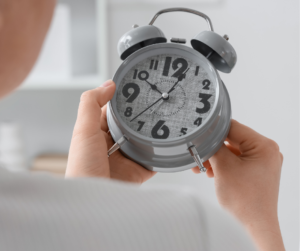
Below are the medically relevant advantages of adopting permanent daylight saving time, elaborated with clinical evidence and Manitoba‑specific context.
The most significant health benefit of permanent daylight saving time is eliminating biannual clock changes. Pharmacists across Manitoba consistently report patient confusion, medication timing errors, and sleep disruption during the spring and fall transitions. Clinically, the “spring forward” shift is associated with a 24% increase in acute myocardial infarctions the following Monday and a measurable rise in ischemic strokes. These events are linked to abrupt sleep deprivation and circadian misalignment. Additionally, traffic collisions and workplace injuries spike during the week after the spring change due to micro‑sleeps and reduced alertness. By adopting a fixed schedule, Manitoba eliminates these predictable, evidence‑based risks.
Patients managing chronic diseases often rely on strict medication timing. Drugs such as basal insulin, tacrolimus, direct oral anticoagulants, and anti‑seizure medications require consistent dosing intervals. During clock changes, pharmacists frequently observe missed doses, double dosing, or incorrect spacing because reminders and routines shift by an hour. Permanent day light savings ensures stable medication adherence, reducing the risk of therapeutic failure or toxicity.
Although circadian experts prefer Standard Time for biological alignment, permanent daylight saving time offers behavioural benefits that many Manitobans value. Later sunsets encourage evening physical activity, which supports metabolic health, glycemic control, mental health and cardiovascular resilience.

Despite its advantages, permanent daylight saving time introduces several winter‑specific health concerns that clinicians want Manitobans to understand.
Melatonin is a natural hormone produced by the brain’s pineal gland that serves as the body’s primary chemical signal for darkness. It acts as the master regulator of your circadian rhythm. Later evening light exposure pushes melatonin release further into the night. Patients who must wake early may struggle with sleep‑onset latency, leading to cumulative fatigue. Over time, chronic sleep restriction can affect immune function, glucose regulation, and cardiovascular health.
Many patients report improved mood when they leave work in daylight rather than darkness, especially during late fall. This reduction in “dark commute blues” can boost energy and reduce seasonal low-mood symptoms. In contrast, under permanent Daylight Savings Time, sunrise in southern Manitoba will occur between 9:15 AM and 9:30 AM in December and January. This Morning darkness delays natural blue‑light exposure, which is essential for suppressing melatonin and activating the brain’s central circadian clock. As a result, patients may experience morning lethargy, slower cognitive performance, and difficulty initiating daily tasks.
Morning light is the body’s primary circadian regulator. When mornings remain dark, melatonin suppression is delayed, creating a mismatch between biological time and social obligations. This “social jet lag” can impair mood, concentration, and metabolic stability. Students and workers with early start times may experience chronic sleep debt. Sleep specialists warn that this persistent misalignment will lead to noticeable drops in school attendance, higher rates of sleeping through morning lectures, and reduced cognitive retention. Additionally, the combination of chronic sleep debt and dark winter mornings is heavily linked to seasonal affective disorder (SAD), anxiety, and elevated rates of depression among youth.
Clinicians and pharmacists recommend several strategies to help Manitobans safely adapt to permanent daylight saving time.
High‑intensity broad‑spectrum light exposure immediately upon waking can help reset circadian rhythms. Seasonal affective disorder lamps (10,000 lux) used for 20–30 minutes can suppress melatonin, increase morning cortisol, and improve alertness. This intervention is especially helpful during December and January.
Because evening light persists longer under permanent day light savings, patients should practice strict evening light hygiene. Dimming overhead lights and reducing screen exposure 1–2 hours before bedtime helps prevent delayed melatonin onset and supports healthy sleep architecture.
Even though Manitoba will no longer shift clocks twice a year, consistent sleep and wake times remain essential. Regular schedules stabilize circadian rhythms, support metabolic health, and reduce the risk of immune dysregulation. Clinicians emphasize that routine is more important than clock time.
| Pros | Cons |
| Reduced cardiovascular and trauma risks | Dark winter mornings |
| Improved medication adherence | Circadian misalignment |
| Better evening mood and activity | Delayed melatonin onset |
| No more clock confusion | Potential chronic sleep debt |
Manitoba’s decision to adopt permanent daylight saving time reflects a strong desire to get rid of daylight savings and eliminate the health risks associated with biannual transitions. Although the daylight savings bill offers meaningful benefits—especially cardiovascular protection, improved medication adherence, and enhanced evening well‑being—it also introduces winter‑specific challenges that require proactive management.
Healthcare professionals agree that with proper light exposure, consistent sleep routines, and evening wind‑down strategies, Manitobans can adapt daylight savings bill successfully. As daylight savings time becomes permanent, the province enters a new era of timekeeping that prioritizes stability, safety, and public preference.

