- Open:Weekdays: 8:30 am – 5:30 pm, Saturdays: 9:00 am-2:00 pm
- Email: info@youdrugmart.com
- Follow:
-

-


Symptoms of blastomycosis can be easy to overlook at first, especially for Canadians who spend time outdoors. To better understand the condition, it helps to know what is blastomycosis and the cause of blastomycosis. Blastomycosis is a fungal infection that usually begins when a person breathes in microscopic spores from contaminated soil. As a result, the infection often starts in the lungs and can resemble pneumonia. However, many people do not recognize the illness until persistent symptoms fail to improve after several weeks of treatment.
Although few people have heard of it, Canada has some of the highest rates of this disease in the world. In fact, researchers describe the Kenora area of northwestern Ontario as having the highest reported incidence of blastomycosis anywhere. For example, a 2017 report in the Canada Communicable Disease Report found 581 hospitalizations for blastomycosis in Ontario between 2006 and 2015, and 42% of them came from northwestern Ontario, a region that holds only 0.6% of the province’s population. Moreover, that same report found an average hospitalization rate of 35.0 per 100,000 people per year in northwestern Ontario, rising to 57.9 per 100,000 in the Kenora region.
Similarly, a Public Health Ontario study identified 1,092 laboratory-confirmed cases in Ontario from 1990 to 2015, and it noted that the known range of the infection has expanded to include all of Ontario. Meanwhile, Health Canada estimates an annual incidence of about 0.62 cases per 100,000 people across Ontario, Quebec, Manitoba, and Saskatchewan.
Clearly, this infection deserves more attention than it gets. Therefore, this guide explains what is blastomycosis, where it comes from, how to recognize it, and how doctors treat it.
Let’s start with, what is blastomycosis? Essentially, it is an infection that comes from a fungus called Blastomyces. In North America, two main species cause disease: Blastomyces dermatitidis and Blastomyces gilchristii.
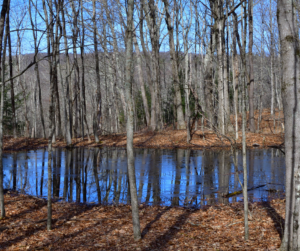
In nature, this fungus lives in moist soil, especially soil rich in decaying wood and leaves near lakes, rivers, and beaver dams. When someone disturbs that soil, for instance by digging, clearing brush, or tearing down an old shed, the fungus releases microscopic spores into the air. Then, a person breathes them in, and the infection begins in the lungs.
Importantly, blastomycosis does not spread from person to person. In other words, you cannot catch it from a family member or co-worker who has it. Likewise, you cannot catch it from a pet, even though dogs often get the infection too.
Now let’s look more closely at the cause of blastomycosis and how infection happens.
First, the fungus grows in the environment as a mould that produces spores. Next, when you inhale these spores, your body temperature transforms them into a yeast form inside your lungs. At that point, your immune system tries to fight them. In many people, the immune system wins quietly. In others, however, the yeast multiplies and causes pneumonia. Occasionally, it then travels through the bloodstream to other parts of the body.
Second, geography matters a great deal. In Canada, the cause of blastomycosis traces back to fungus in the soil of northwestern Ontario, Manitoba, parts of Quebec, and parts of Saskatchewan. In addition, the fungus thrives along the Great Lakes and the St. Lawrence River. Across the border, it also appears in the Ohio and Mississippi River valleys and around the Great Lakes in the United States.
Third, certain activities raise your chance of breathing in spores. These include:
Because soil disturbance plays such a key role, the cause of blastomycosis often links back to a specific outdoor activity a few weeks or months before symptoms start. Interestingly, outbreaks sometimes affect groups of people who shared the same exposure. For example, a 2022–2023 outbreak at a paper mill in Escanaba, Michigan, affected 162 workers, and Public Health Ontario has also studied a large outbreak in Ontario in 2021.
Finally, the most common question after “what is blastomycosis?” is who can get it. The honest answer: anyone, including healthy adults and children. Nevertheless, people with weakened immune systems, such as those living with HIV, organ transplant recipients, or people taking immune-suppressing medications, face a higher risk of severe disease. Furthermore, studies in northwestern Ontario show that Indigenous communities carry a disproportionate share of cases, likely because of where they live and work, as well as gaps in access to care.

Now that you know what is blastomycosis and the cause of blastomycosis, let’s turn to the symptoms of blastomycosis. Interestingly, about half of people who breathe in the spores never feel sick at all. For those who do, the symptoms of blastomycosis usually begin anywhere from three weeks to three months after exposure.
Most often, the symptoms of blastomycosis start in the lungs and look a lot like pneumonia, the flu, or bronchitis. Common lung symptoms include:
Because these symptoms of blastomycosis resemble so many common illnesses, doctors often treat patients with antibiotics first. Unfortunately, antibiotics do not kill fungi, so the illness continues. As a result, a “pneumonia” that does not improve after one or two rounds of antibiotics should raise suspicion, especially in someone who lives in or has visited an endemic area.
After the lungs, the skin ranks as the most common site of spread. In this case, the symptoms of blastomycosis may include raised, crusted, or wart-like sores, or ulcers that slowly grow and do not heal. Often, these sores appear on the face, arms, or legs.
In addition, the infection can spread to bones and joints, causing pain and swelling. Less often, it affects the prostate, the urinary tract, or, rarely, the brain and spinal cord. When it reaches the nervous system, patients may develop headaches, confusion, or seizures.
In a small number of cases, blastomycosis causes acute respiratory distress syndrome (ARDS), a life-threatening lung injury. In these situations, patients need urgent hospital and often intensive care.
Because the symptoms of blastomycosis overlap with so many other conditions, diagnosis can take time. Specifically, doctors often first suspect bacterial pneumonia, tuberculosis, or even lung cancer. Therefore, telling your doctor about recent outdoor activities or travel helps a great deal, because it points toward the cause of blastomycosis.
To confirm the diagnosis, doctors may use several tests:
In short, the tests answer two questions for your doctor: what is blastomycosis doing in your body, and how far has it spread? Then, your doctor can choose the right treatment and decide how long it should last.
Fortunately, the answer to what is blastomycosis comes with good news: effective treatment exists. Antifungal medications cure most patients, especially when treatment starts early.
For mild to moderate illness, doctors usually prescribe an oral antifungal pill called itraconazole. Typically, treatment lasts six to twelve months. Although that sounds long, it helps prevent the infection from coming back. During treatment, your doctor may check blood levels of the medication and monitor your liver function. However, itraconazole can interact with many other medications. These medications can include certain blood thinners, cholesterol medications, opioids, Colchicine, as well as certain blood pressure and heart medications such as Felodipine, Nisoldipine, Ivabradine, and Ranolazine. Therefore, always share your full medication list with your doctor and pharmacist.
In contrast, severe lung infections, widespread disease, or infections of the brain and spinal cord require hospital treatment. In these cases, doctors give an intravenous antifungal called amphotericin B, often for one to two weeks. However, the treatment can be longer if the fungus affects the brain. After the intravenous, patients often switch to oral itraconazole to finish treatment.
Similarly, pregnant people and those with weakened immune systems need special care. For instance, doctors generally avoid itraconazole during pregnancy and use amphotericin B instead. Meanwhile, some people with weakened immune systems may need long-term medication to prevent relapse.
Currently, no vaccine exists, and avoiding all outdoor activity simply isn’t realistic for most Canadians. Still, since the cause of blastomycosis lies in the soil, these steps can reduce your risk:
Above all, knowing what is blastomycosis helps you act quickly. If you develop lung symptoms after spending time in an endemic area, tell your doctor right away.

Knowing what is blastomycosis matters most for people in endemic regions. So, if you live in northwestern Ontario, Manitoba, or another endemic region, or if you spend summers at a cottage in an affected area, keep the following in mind:
From a medical standpoint, the key lesson is awareness. Once a doctor suspects blastomycosis, the right tests usually confirm it, and antifungal treatment works well for most people. Conversely, delayed diagnosis gives the fungus time to spread to the skin, bones, or, rarely, the brain, and it raises the risk of severe lung disease.
What should you do? First, if you live in or visit endemic parts of Ontario, Manitoba, Quebec, or Saskatchewan, remember that the cause of blastomycosis lies in the soil, especially near water and decaying wood. Second, learn the symptoms of blastomycosis and take a lingering “chest infection” seriously. Third, always tell your doctor about your outdoor activities and travel, even if they happened months ago. Finally, if you receive a diagnosis, complete your full course of treatment and attend every follow-up visit.
No. As noted earlier, blastomycosis does not spread from person to person or from animals to people in normal circumstances.
No. However, if your dog gets blastomycosis, you likely share the same environmental cause of blastomycosis. So, watch for symptoms in yourself and your family.
Often, doctors initially mistake it for bacterial pneumonia, tuberculosis, or lung cancer. Because of this, it’s important to share your outdoor history.
Yes. Manitoba requires laboratories to report confirmed cases of blastomycosis to public health authorities for surveillance purposes. After a laboratory confirms the infection, it sends the results to the Public Health Surveillance Unit. Public health officials may review the case, but they usually do not need extensive follow-up unless special circumstances apply.

