- Open:Weekdays: 8:30 am – 5:30 pm, Saturdays: 9:00 am-2:00 pm
- Email: info@youdrugmart.com
- Follow:
-

-


If sneezing, a runny nose and itchy eyes return every September, antihistamine drugs may offer the relief you need. In fact, an estimated 8 to 10 million Canadians, roughly one in five people, live with allergic rhinitis. Commonly, pollen from trees, grasses and weeds trigger this condition. Furthermore, according to Statistics Canada, 27 per cent of Canadians, or roughly 8.4 million people, had an allergy diagnosis in 2017. Fall season makes us the most vulnerable: ragweed pollen appears in mid-August and continues until the first hard frost, which in much of southern Canada means late September or October. Not surprisingly, oral allergy medicines rank as the most commonly used treatment for allergic rhinitis and chronic hives.
However, not all antihistamine drugs work the same way, and some carry far more risk than others. Therefore, this guide explains what these medicines are, how they work, and which over-the-counter (OTC) and prescription options make the most sense during Canada’s fall allergy season.

Simply put, antihistamine drugs block the effects of histamine. Histamine plays a central role in allergic reactions. It is a chemical messenger that our immune system releases when it mistakenly identifies a harmless substance, such as pollen, pet dander, dust mites, or certain foods, as a threat. H1 receptors on the other hand are the “docking stations” on cells that histamine attaches to. When histamine binds to H1 receptors, it triggers allergy symptoms.
Histamine causes:
Specifically, most allergy medicines in this class target H1 receptors, the docking sites histamine uses to trigger symptoms in your nose, eyes, skin and airways.
Generally, doctors sort these medicines into two groups:
In addition, these medicines come in several forms, including tablets, liquids, quick-dissolve tablets, nasal sprays and eye drops.
To understand the treatment, it helps to understand the problem first. When you have an allergy, your immune system mistakes a harmless substance, such as ragweed pollen, for a threat. In response, immune cells called mast cells release histamine and other chemicals. As a result, histamine widens blood vessels, irritates nerve endings and tells your nose to pour out mucus. Consequently, you sneeze, your eyes water and your nose runs.
That said, histamine also plays useful roles in the body. For example, it helps keep you alert and helps control stomach acid. For this reason, older drugs that reach the brain often make people sleepy.
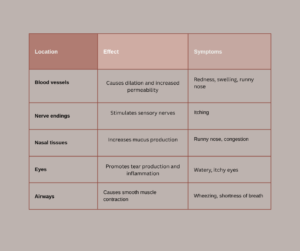
Essentially, antihistamine drugs sit on H1 receptors and stop histamine from switching them on. Because of this, they work especially well for:
Antihistamines work well for symptoms such as sneezing, itching, and a runny nose, but they usually provide less relief for nasal congestion. For best results, take your antihistamine before going outdoors because these medications help prevent allergy symptoms more effectively than they treat symptoms that have already started. Many newer antihistamines begin working quickly. For example, bilastine, a common allergy medicine, can start providing relief within an hour and continues working for about 24 hours.
In 2019, the Canadian Society of Allergy and Clinical Immunology (CSACI) took a clear stand. Specifically, the group recommends newer generation products over first-generation ones for treating allergic rhino-conjunctivitis and hives. In its statement, CSACI also linked older drugs to deaths from accidents, intentional or unintentional overdoses, and sudden cardiac arrest. Furthermore, the group noted that people continue to overuse older antihistamines because of their OTC status and long history of use.
Likewise, one of the statement’s authors described newer options such as Reactine, Claritin and Aerius as safer, more effective and quicker to work. In other words, the familiar pink allergy medicine in your medicine cabinet may no longer be your best choice.
Below, you’ll find common examples. Brand names appear in brackets, and generic versions usually cost less.
In addition, pharmacies stock some antihistamine eye drops for itchy, watery eyes, so ask your pharmacist which one suits you.
Overall, both lists give Canadians plenty of choice among antihistamine drugs.
Because people respond differently, the best option depends on you. Before you choose, think about:
Also, start early. In southern Ontario and southwestern Quebec, ragweed season starts in early-to-mid August, peaks in late August or early September, and stops at the first frost. So, consider starting your medicine a week or two before your symptoms usually begin. Then, take it every day until the frost arrives. Finally, if one product doesn’t help after a week or two, try another, since many people respond better to one medicine than another.
Fortunately, newer antihistamines cause few to no side effects. Occasionally, people notice a headache, dry mouth or mild drowsiness. By contrast, older options can cause heavy drowsiness, confusion, constipation and trouble urinating, and older adults face a higher risk of falls. Even worse, overdoses of first-generation drugs can lead to breathing problems, coma and seizures.
To stay safe:
Medicine works best alongside smart habits. For example:
Moreover, if medicines don’t control your symptoms, ask about allergy immunotherapy. In Canada, this option includes an under-the-tongue ragweed tablet that Health Canada approved for adults in 2014 and for children five and older in 2020.
See your family doctor, a nurse practitioner or an allergist if:
Most importantly, antihistamines cannot stop anaphylaxis. If you notice throat swelling, trouble breathing or faintness after an exposure, use your epinephrine auto-injector and call 911 immediately.
Generally, yes. Most newer options suit daily use throughout the season. Still, confirm with your pharmacist, especially if you take other medicines.
Typically, newer oral options start working within one to three hours.
Only a little. Instead, a steroid nasal spray usually works better for congestion, and many people combine the two.
In conclusion, physicians see the same pattern every fall. Patients arrive exhausted from weeks of sneezing, often after taking an old sedating pill that left them groggy. Fortunately, today’s antihistamine drugs offer a far better experience. Therefore, most doctors usually suggest a newer, non-drowsy option first, taken daily from mid-August until the first frost.

