- Open:Weekdays: 8:30 am – 5:30 pm, Saturdays: 9:00 am-2:00 pm
- Email: info@youdrugmart.com
- Follow:
-

-


Summers are synonymous with a lot of outdoor sports, camping, and barbeque. However, we cannot deny the skin hazards associated with excessive exposure to harmful UV rays of the sun. The easiest way to prevent the sun from causing redness, patches, sunburns, and tans on your skin is by applying good sunscreen lotions every time you step out. Therefore, knowing how to use your sunscreen in the right way matter.
The UV rays tend to damage the elastin fibers of the skin by breaking them down. As a result, the skin begins to look saggy over a while. Overexposure to UV rays can also lead to skin cancer, wrinkles, and patches. Sunscreens contain UV filters, that prevent this phenomenon.
UV filters are of two types – physical and chemical.
A chemical UV filter contains a carbon-based organic component that filters the harmful effects of the UV rays by transforming them into heat and then releasing them from the skin. Examples of common chemical sunscreens are Avobenzone and Octinoxade. They are usually thinner in their consistency.
Physical UV Filters reflect and completely block the UV rays from penetrating our skin. The two most common examples of physical UV filters are Zinc Oxide (ZnO) and Titanium Dioxide (TiO2). They are thicker in their consistency.
When learning how to use your sunscreen, keep these factors in mind when choosing a sunscreen lotion:
Reminders:
This depends on two factors SPF (Sun Protection Factor) and the skin photosensitivity of the person. For example, a person with very fair skin, with less melanin, is more photosensitive. They can opt for SPF 30 to resist the sun for less than 2 hours. For anything more than that, upgrade to SPF 50.
Someone with a darker skin tone can use SPF 15 to resist the sun for up to 4 hours.
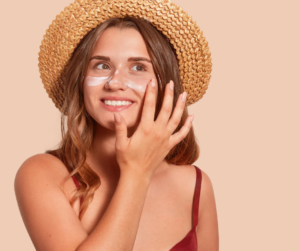
Apply your chemical UV Filter (sunscreen lotion) 20 minutes before stepping out. Some sunscreens with physical UV filters may be applied immediately before stepping out.
Apply 35 to 40ml per person per session.
Apply them over all the areas that will have direct exposure to the sun.
You can also speak to our pharmacist for more help and tips on selecting the right sunscreen products.

