- Open:Weekdays: 8:30 am – 5:30 pm, Saturdays: 9:00 am-2:00 pm
- Email: info@youdrugmart.com
- Follow:
-

-


Understanding how to improve gut health is the first step to improve digestive health. This includes learning what are probiotics, foods with probiotics, how probiotics foods work, and why they supports long‑term gut wellness.
A clear understanding of this topic is essential because according to some CDHF’s National Digestive Disorders Prevalence & Impact Study reports, around 20 million people in Canada are affected by digestive disorders each year. These disorders range from mild but chronic symptoms—such as bloating, gas, constipation, and indigestion—to more severe conditions like IBS, IBD, GERD, and celiac disease. It also says, 2 out of every 3 Canadians experience a digestive disorder. Additionally, Iirritable Bowel Syndrome (IBS), is one of the most common chronic gut‑health conditions thousands of Canadian suffer.
Furthermore, doctors attribute poor gut health to frequent consumption of highly processed foods, stress level, lack of fiber in diet, and widespread use of medications that affect the gut. Nevertheless, the good news is, our gut responds quickly to lifestyle and dietary changes. Additionally, foods with probiotics offer one of the most effective ways to strengthen your microbiome, and eventually your gut health.
Therefore, let’s understand how probiotics foods work, and ways to improve gut health with simple remedies and lifestyle changes.
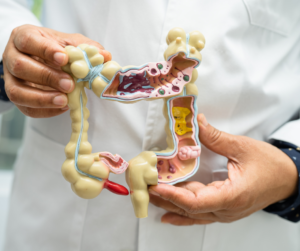
Your gut is home to trillions of microorganisms—including bacteria, viruses, and fungi—that form a complex, miniature ecosystem in your digestive tract. This “virtual organ” actively breaks down food, synthesizes vitamins, regulates your immune system, and produces chemicals that boost your mood.
In summary, probiotics are live microorganisms, mostly bacteria, that actively support your health by strengthening and balancing your gut microbiome. Furthermore, they work by surviving digestion, reaching your intestines, and performing beneficial tasks like aiding digestion, protect your intestinal lining, maintain microbial balance, and supporting immunity.
Therefore, by eating foods with probiotics, you introduce beneficial bacteria that help balance this system.
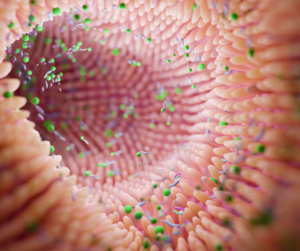
Health Canada notes that probiotics must contain live microorganisms that provide health benefit when consumed in adequate amounts. The Canadian Digestive Health Foundation also agrees that probiotics support digestion, reduce gas, and help regulate bowel movements.
Although your body naturally hosts many microbes, diet remains the most powerful way to support their survival.
To begin with, let’s understand what are probiotics with a few examples:
Common in yogurt, kefir, fermented vegetables.
Common in yogurt, kefir, and some supplements.
Found in yogurt and cheese cultures.
Found in some supplements and fermented beverages.
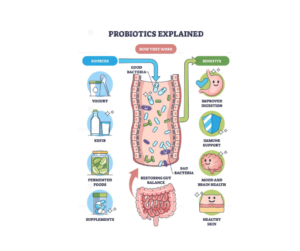
Because probiotics act directly in your gut, they offer fast and noticeable benefits. Consequently, many people feel improvements in digestion within days.

Choosing foods with probiotics naturally supports your microbiome by delivering live cultures to your intestines ; consequently, these beneficial bacteria provide a diverse range of health benefits.
Although supplements exist, Health Canada emphasizes on understanding what are probiotics and likewise, on daily intake of natural probiotic foods because:
Prebiotic foods on the other hand feed the good bacteria you consume. When you combine prebiotics with foods with probiotics, you create a powerful synergy. Although probiotics introduce new bacteria, prebiotics help them thrive. Therefore, pairing both improves long‑term gut resilience.
Improving gut health is not the only benefit of probiotic food. They also offer several additional benefits that directly impacts the quality of life.
Your gut communicates with your brain through the gut‑brain axis. Because probiotics influence neurotransmitter production, they support mental clarity and emotional balance.
Although probiotics are not a treatment for mental health conditions, they support overall well‑being.
Your immune system relies on your gut. Because probiotics strengthen the intestinal barrier, they help your body respond to pathogens more effectively.
Although probiotics do not replace medical treatment, they support your natural defenses.
Many Canadians experience lactose intolerance. Because fermented dairy contains bacteria that break down lactose, these foods help reduce symptoms.
Additionally, probiotic‑rich dairy products often feels easier to digest.
You can add probiotic foods to any meal. Because they pair well with many dishes, they fit easily into your routine.
Now that we have understood what are probiotics, in conclusion, we would also like to add that lifestyle also affects your gut. When you combine healthy habits with probiotics foods, you create a strong foundation for digestive wellness. Small adjustments that can make a difference are –
Although these habits seem simple, they create a stable environment for beneficial bacteria and improve gut health.

