- Open:Weekdays: 8:30 am – 5:30 pm, Saturdays: 9:00 am-2:00 pm
- Email: info@youdrugmart.com
- Follow:
-

-


Whether it’s a child developing a fever in the middle of the night, a sudden headache before work, an upset stomach after dinner, or seasonal allergies that appear unexpectedly – having the right OTC medications at home can save time, reduce discomfort, and sometimes prevent a trip to the emergency room. Over the counter medicines and other OTC products are designed to treat many common illnesses safely when used according to their labels. However, they are not substitutes for professional medical care, especially for severe symptoms, persistent illness, or emergencies.
One of the most common situations most physicians encounter is patients waiting until symptoms become severe because they didn’t have simple medications available at home. A well‑stocked home medicine cabinet helps families manage minor illnesses promptly before they escalate into an emergency.
Below are the 10 over the counter medicines categories that doctors recommend keeping at home.

Over the counter medicines for pain are useful because they work quickly and safely for common conditions. NSAIDs such as ibuprofen and naproxen reduce inflammation, swelling, and fever, while acetaminophen offers stomach‑friendly relief for headaches and general pain. That is why, millions of Canadians use these medications regularly. Even experts consider NSAIDs as one of the most commonly used OTC medications in Canada.
Acetaminophen works well for fever and pain because it acts directly on the brain’s temperature‑regulating and pain‑processing centers. Moreover, it stays gentle on the stomach, which makes it a safer choice for people who cannot take NSAIDs due to ulcers, kidney issues, or heart conditions. In contrast, ibuprofen and naproxen reduce pain and inflammation, so they become especially useful for sprains, strains, arthritis, and swelling. Additionally, they target the inflammatory pathways that acetaminophen does not. This explains why ibuprofen often provides a stronger relief for injuries. However, because NSAIDs can irritate the stomach lining, reduce kidney blood flow, and affect certain heart conditions, people with these risks may use acetaminophen as an alternative.
Keeping OTC medications for cold, flu, and cough at home allows families to respond quickly to early symptoms, and eventually prevents minor viral illnesses from becoming disruptive. This is specifically essential for households with children, older adults, and people with weakened immunity. According to data, Manitoba sees hundreds of thousands of respiratory infections every year. Moreover, Manitoba’s long winters, and fluctuating temperatures make these infections even more common. That is why doctors recommend keeping these over the counter medicines stocked at home.
Combination OTC products are available, but you should choose them carefully to avoid accidentally taking duplicate ingredients, especially acetaminophen.
Every spring and summer, pollen levels rise sharply across the province, and as a result, thousands of Manitobans start dealing with sneezing, congestion, itchy eyes, and nighttime coughing. Data shows that about one in four people experience seasonal allergies. This means a large portion of Manitoba’s population feels the impact every year. Therefore, having OTC medications for allergy at home helps people get fast relief before they turn serious.
Occasional heartburn is extremely common, and it often shows up suddenly after a heavy meal, late‑night eating, or certain trigger foods. Because symptoms can go from mild to uncomfortable pretty quickly, keeping an acid‑reducing medication at home helps you treat it early before it gets worse.
Consult a healthcare provider if you experience frequent heartburn more than twice weekly.
Gastrointestinal illnesses can cause dehydration quickly. This is because vomiting and diarrhea make the body lose fluids faster than it can replace them. In Manitoba, this isn’t rare — viral gastroenteritis spreads easily in daycares, schools, workplaces, and long‑term care homes, especially during winter months. Because symptoms often start suddenly, having the right OTC products at home helps you manage the illness early.
Do not use anti-diarrheal medications when bloody diarrhea or high fever is present without medical advice.
A proper first-aid kit is just as important as medications.
For example,
These OTC products are useful for:
In Manitoba, UTIs are one of the most frequent reasons women and older adults visit walk‑in clinics and urgent care. And because symptoms often start suddenly — burning, urgency, pressure — people want something they can use right away while they arrange proper medical care. OTC products cannot cure a bacterial UTI, but they can help with symptom relief or support urinary health until a doctor intervenes.
These products give people a way to manage UTI symptoms early, stay hydrated, and avoid unnecessary discomfort — but they don’t replace antibiotics when a true infection is present.
However, seek medication attention in two scenarios. First, when the symptoms include fever, back pain, vomiting, or symptoms last for more than two days. Secondly, if you are pregnant or breast feeding. Antibiotics may be necessary in these cases.
Dry eyes are becoming more common because so many of us spend long hours on screens — phones, laptops, tablets, and even TVs. When you stare at a screen, you blink far less than usual, and this reduced blinking makes your tears evaporate faster. Your eyes start to feel scratchy, tired, or watery over time, and that discomfort makes it harder to work, study, or sleep. That’s why keeping a few simple OTC products at home can help retain the moisture in your eyes.
Avoid using redness-relieving eye drops daily because they may cause rebound redness. Eye pain, vision loss, or eye injuries require urgent medical evaluation.
Minor skin conditions are common and often respond well to over the counter medicines.
If rashes spread rapidly or become infected, seek medical attention.
With increasing insect and tick activity across Manitoba, prevention has become an important part of every home first-aid kit.
For skin:
For clothing:
Useful for
Always perform a full-body tick check after spending time outdoors.
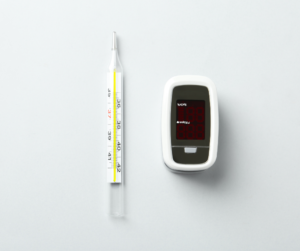
Besides medications, I always recommend keeping:
These simple tools often become just as valuable as medications during minor medical emergencies.
Even the best OTC medication loses effectiveness if stored incorrectly.
Store medications:
Avoid storing medicines in bathrooms, where heat and humidity can reduce their stability.
One of the biggest misconceptions is that if a medication is sold over the counter, it is automatically harmless. In reality, medications like acetaminophen, ibuprofen, and decongestants can cause serious problems if taken incorrectly, combined with certain medications, or if they are not the right option for you.
Doctors also recommend reviewing your medicine cabinet every six to twelve months. Discard expired products, replace unusable items, and make sure your dosing devices, thermometers, and first-aid supplies are still in good condition. During emergencies, having the right supplies readily available can make all the difference.
In conclusion, keeping essential OTC products at home helps families respond quickly to common illnesses such as fever, cough, allergies, diarrhea, heartburn, minor injuries, urinary discomfort, and skin irritation. While these over the counter medicines can provide effective symptom relief, they should always be used according to their labels and never be an alternative to professional medical care for serious or persistent conditions.
A thoughtfully stocked home medicine cabinet, combined with basic first-aid supplies and knowledge of when to seek medical attention, can improve safety, reduce unnecessary healthcare visits, and provide peace of mind for the entire family.

Review your medicine cabinet at least once or twice a year. Discard expired medications according to local pharmacy disposal recommendations and replace the OTC products (or other prescribed medications) that have been opened for long periods, damaged, or stored improperly.
No. Prescription antibiotics should only be used for the specific infection they were prescribed for and should never be saved for future illnesses. Using leftover antibiotics incorrectly can contribute to antibiotic resistance and may delay proper treatment.
Not necessarily. A family with young children, older adults, or individuals with chronic medical conditions may require different OTC medications selections. It’s a good idea to review your home medicine cabinet with your healthcare provider or pharmacist to ensure your stock of over the counter medicines meets your family’s specific health needs.

