- Open:Weekdays: 8:30 am – 5:30 pm, Saturdays: 9:00 am-2:00 pm
- Email: info@youdrugmart.com
- Follow:
-

-


Many smokers wonder how to quit smoking for years before taking action. A common frustration physicians hear in the clinic is, “I want to stop, but the cravings and withdrawal symptoms feel overwhelming whenever I try.” Breaking free from tobacco usage is challenging because nicotine creates both a physiological dependency and a deeply ingrained behavioral habit. Nicotine replacement therapy (NRT) and structured cessation strategies offer safe, medically proven ways to manage physical withdrawal while you break the psychological habit of smoking. Combined with practical lifestyle adjustments, these tips to quit smoking double your chances of successfully quitting for good.
Choosing to quit smoking is one of the most powerful decisions you can make for your short- and long-term health. Tobacco smoke contains thousands of toxic chemicals that gradually damage almost every organ system in the body. Fortunately, the human body begins repairing itself within hours of your last cigarette.
This blog provides evidence-based advice on how to quit smoking. It also explores effective nicotine replacement therapy products, outlines what to expect during withdrawal, and offers practical tips to quit smoking and stay smoke-free long term.
Your body starts healing almost immediately after you quit smoking.
Quitting smoking can prevent or reverse:
If you quit smoking early, you can prevent irreversible tissue damage and significantly extend overall life expectancy.
Physicians advocate for nicotine replacement therapy because stopping tobacco use yields immediate, measurable improvements in organ function regardless of your age or how long you have smoked.
Nicotine replacement therapy benefits almost anyone struggling to overcome tobacco addiction, though individual needs vary.
Doctors recommend cessation aids and nicotine replacement therapy for:
Even light or social smokers can benefit from behavioral quitting strategies and low-dose replacement options to overcome specific daily triggers.
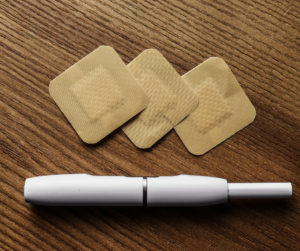
Nicotine transdermal patches deliver a continuous, low dose of nicotine through the skin throughout the day.
Key features include:
Doctors often recommend patches as a foundational baseline strategy for heavy smokers.
Nicotine Polacrilex gum delivers nicotine rapidly through the lining of the mouth when cravings strike.
It provides:
Using the proper “chew and park” technique ensures steady absorption without causing stomach upset.
Lozenges dissolve slowly in the mouth, releasing nicotine gradually over 20 to 30 minutes.
They are useful for:
Prescription-based NRT options offer alternative delivery routes for individuals needing higher support.
These options include:
Clinical research shows that combining a long-acting method (like a patch) with a short-acting method (like gum or lozenges) is often more effective than using a single product alone.

Recovery begins the moment you extinguish your last cigarette. Below are common health and physiological targets observed during smoking cessation:
Time After you quit smoking | Target Health Improvements & Milestones When You Try to Quit Smoking |
| 20 Minutes | Heart rate and blood pressure drop to normal levels |
| 12 Hours | Carbon monoxide level in the blood drops to normal |
| 2 Weeks to 3 Months | Lung function and blood circulation begin to improve significantly |
| 1 to 9 Months | Coughing, shortness of breath, and sinus congestion decrease |
| 1 Year | Excess risk of coronary heart disease drops to half that of a smoker |
| 5 Years | Stroke risk is reduced to that of a non-smoker in 5 to 15 years |
| 10 Years | Lung cancer death rate drops to about half that of a continuing smoker |
| 15 Years | Risk of coronary heart disease equals that of a non-smoker |
Keeping these milestones in mind provides tangible goals during the initial weeks of cessation.
A common concern patients express is that using nicotine replacement therapy simply replaces one chemical dependency with another. However, medicinal nicotine products deliver lower, cleaner doses of nicotine far more slowly than cigarettes. Crucially, NRT products contain none of the 7,000 toxic chemicals, tar, or carbon monoxide found in tobacco smoke. NRT is a temporary, safe medical tool designed to help you taper off nicotine entirely.
Using cigarette replacement products addresses physical withdrawal, but lasting success requires addressing behavioral triggers. If you smoke after meals, while driving, or during stress, plan alternative actions ahead of time. Replacing the ritual—such as taking a short walk after eating or holding a stress ball while driving—rewires the subconscious routines tied to smoking.
If you ask your physician for the best tips to quit smoking, they will emphasize that a temporary lapse does not mean your quit attempt has failed. Most ex-smokers make several attempts before quitting permanently. Identify what triggered the slip-up, adjust your coping strategy, and continue your plan immediately rather than giving up.
Preparing effectively increases your confidence and helps you navigate the first critical week:
Proper preparation minimizes temptation during moments of intense craving when you try to quit smoking.
Some individuals benefit from medical supervision or advanced support during their quitting journey, including those who:
Consulting a primary care provider ensures a personalized cessation plan suited to your health profile.

Learning how to quit smoking is a multi-step process that combines physical support, mental preparation, and behavioral adjustments. Utilizing nicotine replacement strategies gives your body the time it needs to adapt without suffering from severe withdrawal, making the transition to a smoke-free life achievable and sustainable.
From a physician’s perspective, quitting smoking is the single most impactful choice you can make for your future health. Rather than viewing cessation as a sacrifice, reframe it as an investment in your vitality, lung function, and long-term well-being. By utilizing effective nicotine replacement therapy products, following proven tips to quit smoking, and sticking to a clear strategy, you can successfully break free from nicotine dependence.
Nicotine replacement therapy can continue for 8 to 12 weeks. During this time, you gradually step down the dose to help your body adapt to lower nicotine levels before stopping completely. Always follow product guidelines or your doctor’s recommendations.
When an intense craving strikes, practice the “4 Ds”: Delay giving in for 5 to 10 minutes (cravings usually pass within this window), Deep breathe slowly, Drink water, and Distract yourself with a physical activity or a task that occupies your hands and mind.
It is strongly advised not to smoke while wearing a nicotine patch or using other Nicotine replacement therapy products. Combining smoking with NRT can cause elevated nicotine levels in your bloodstream, leading to symptoms like nausea, dizziness, rapid heart rate, and headache.
While NRTs are much safer than smoking cigarettes, individuals with recent heart attacks, severe heart disease, or irregular heartbeats, as well as pregnant individuals, should consult their healthcare provider before starting NRT.
The most common mistake is relying solely on willpower without utilizing supportive tools or addressing behavioral habits. Combining nicotine replacement therapy with behavioral coping strategies and a strong support system dramatically increases long-term success rates.

